Can you clean embroidery? Yes. What you do next depends entirely on what's sitting in front of you— and RIVVIV will walk you through every step.
A machine-washable cotton tote and a silk heirloom sampler aren't the same problem. Treat them the same way, and you lose decades of work in a single afternoon.
Modern bags and clothes will usually survive a careful hand-wash.
The old stuff won't. Vintage and heirloom pieces go to dry methods or nowhere at all.
Framed work gets a wipe and nothing more. Stains are their own patient little job.
I've ruined a piece by getting this wrong. You don't forget that.
Figure out which category you're holding, and the rest sorts itself out. Everything below comes with real temperatures, named products and actual prices. There's no guessing.
Why does embroidery need special care when cleaning?
Embroidery is two materials pretending to cooperate — thread and base fabric shrink at different rates, and their dyes react differently. The second they get wet, that mismatch turns into damage.
Bleeding is the classic. Cheap or hand-dyed threads leak colour into the fabric around them. Suddenly, a crisp red rose is a sad pink smudge.
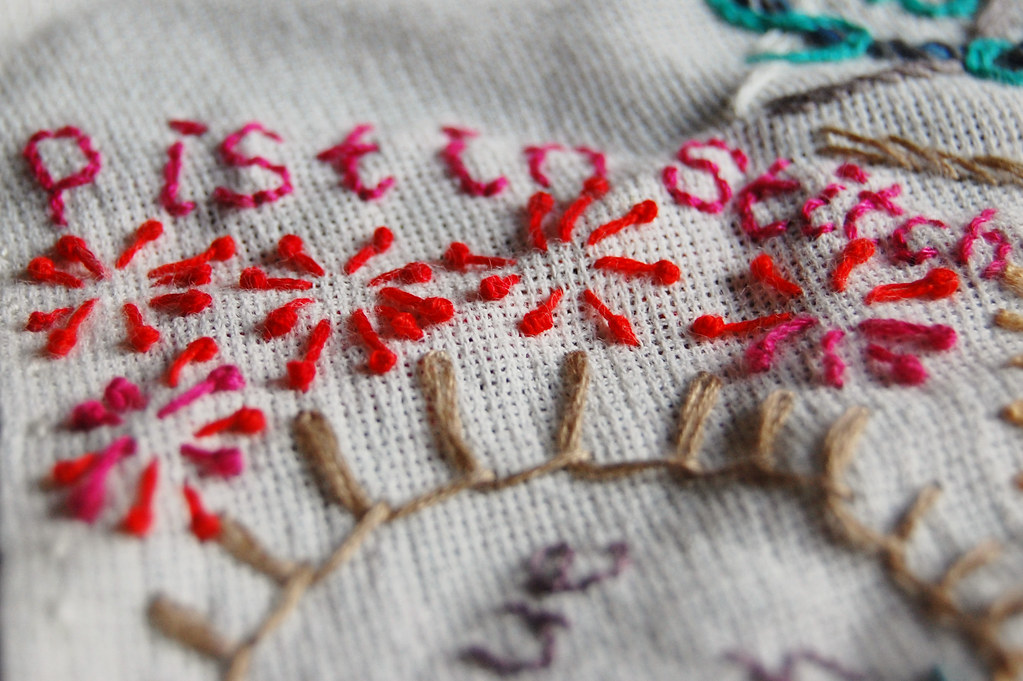
Shrinkage is the other one — cotton thread stitched onto a wool base contracts unevenly the moment water hits it, and the whole thing puckers up.
Fuzz comes from scrubbing; you fray the thread until the stitches go dull and matted, and there's no bringing them back.
The right method takes minutes, and it's genuinely easy. The wrong one destroys thirty hours of work in seconds, and a bled dye has no undo button. Test first. Every single time.
What materials are your embroidery made of? (And why it matters)
Work out what your thread and fabric are before you go near a tap. That one decision governs temperature, detergent, and whether the thing should be washed at all.
Cotton thread — DMC, Anchor, that sort of stranded cotton — is forgiving and usually fine with a gentle hand-wash. Silk bleeds, and it's fragile. Wool felts and shrinks the instant it meets heat and friction, and metallic threads tarnish. Keep those dry.
The base fabric follows roughly the same logic: cotton and linen are stable, silk needs care, Aida and evenweave cross-stitch fabrics handle water without complaint. Felt and wool blends are a flat no.
Can't hold all that in your head? Here's the shortcut. Modern cotton or linen is probably safe to hand-wash. Anything vintage, silk, wool or metallic goes dry, or straight to a professional.
If you honestly can't tell what you're looking at, our guide to the different types of embroidery walks you through identifying the style before you touch water.
Knowing your materials is only half of it. The other half is proving those threads won't bleed the second they get damp.
How do you test embroidery for colourfastness before washing?
Two minutes. That's the whole test, and it's the difference between a clean piece and a ruined one.
Grab plain white cotton buds. Dampen one with cold tap water — moist, not dripping — press it onto each thread colour, hold for a few seconds, lift it off and look at the tip.
Any colour on the bud means that the thread will bleed in the wash.
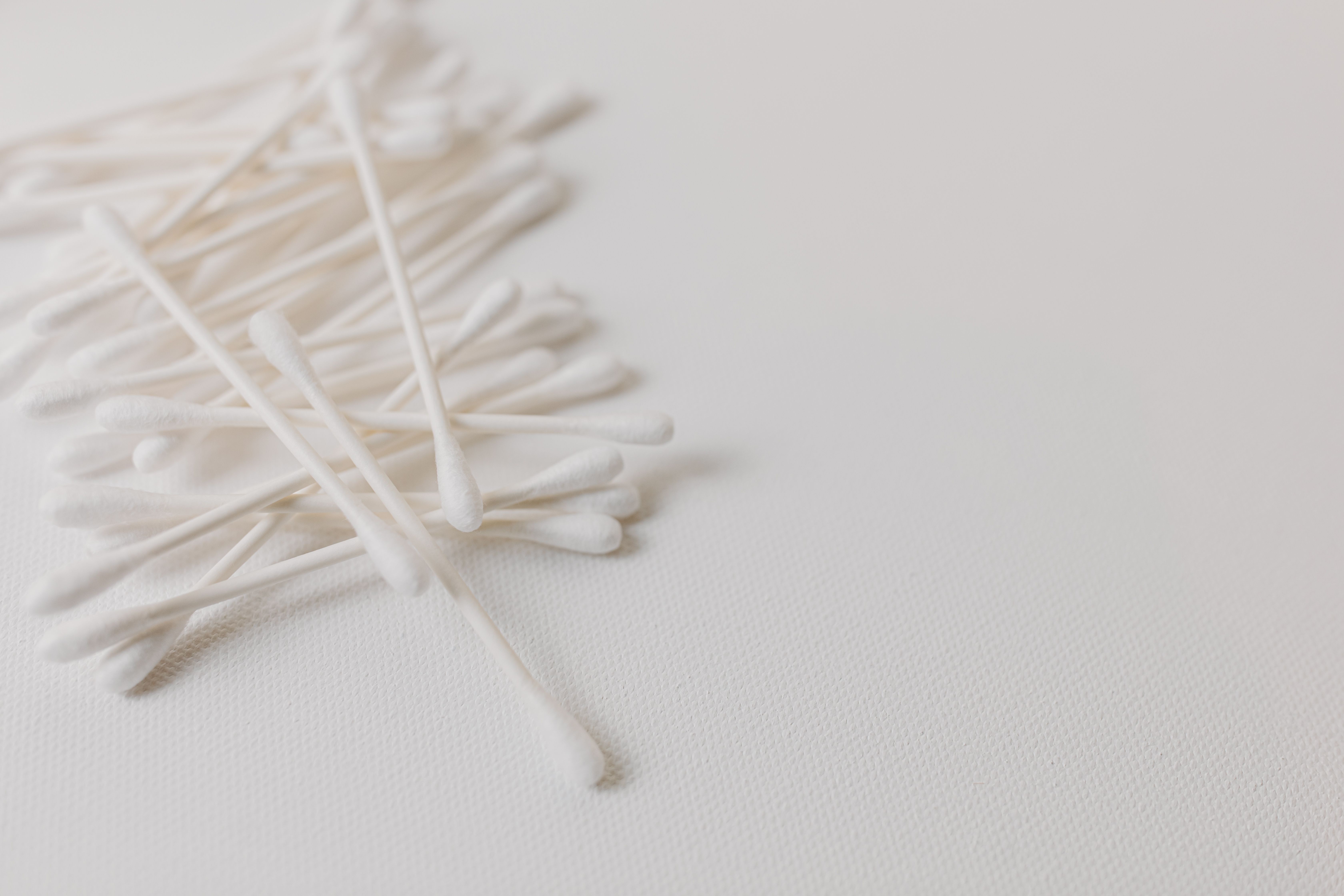
Start with the dangerous ones. Reds, dark blues and anything hand-dyed are the repeat offenders. Hit those first and work outward.
Do it on the reverse or along a hidden edge, where a faint mark won't matter if things go sideways.
One colour transfers, and you stop.
The whole piece stays dry. Dry-clean it, or do careful localised spot work. Don't submerge it.
Want to know more about what you're protecting? Our explainer on what embroidery is covers threads and techniques without drowning you in jargon.
I learned this the expensive way. Hand-dyed variegated floss, a rush job, a smug certainty that it'd be fine — so I skipped the bud test.
The result was a creamy, loosely-woven natural linen background, chosen precisely because it was clean and pale, turned permanently rose-pink across a piece I'd spent a fortnight stitching.
Two minutes of cotton bud would have saved every hour of it.
Clean test? Get your hands wet.
How do you hand-wash embroidered clothing and bags?
Cool water and gentle hands. That's the entire thing, and everything below is just details on those two points.
Gather your kit before you start: a clean basin, a thermometer if you own one, a delicate detergent, and two towels.
1) Fill the basin with water at 15–20°C. Cold tap with a splash of warm water, which is genuinely cool to the touch. Cross 20°C, and you invite bleeding and shrinking.
2) Add detergent. One capful of gentle, non-biological, delicate wash per five litres or so. Ecover Delicate at £4–£5.50 and Woolite at around £5, at Tesco, Sainsbury's, and Amazon. Orvus Quilt Soap, about £26 on Amazon, is the one quilters won't shut up about. Avoid biological detergents completely — their enzymes break down protein, so they'll happily eat silk and wool.
3) Submerge it fully and leave it for ten minutes. Don't scrub, don't wring, don't twist. Press it under and walk away.
4) Swish gently. Move it through the water with a flat open hand instead of rubbing stitch against stitch. Friction is what wrecks things.
5) Rinse three times in fresh cool water, changing it each round, until no suds appear. Detergent left behind stiffens as it dries and drags dirt back in.
6) Remove the water without wringing. Lay the piece flat on a dry towel, roll it up like a Swiss roll, press firmly along its length, unroll, repeat with the second towel. This is the only safe way, because wrong it and you'll pull the stitches out of true.
Caring for embroidered tote bags

When do you skip hand-washing outright?
Silk, wool, metallic, vintage, or anything that bled during the test. Those who want dry methods or a professional. You can always dry-clean the thing you weren't sure about. You can't un-bleed a dye.
Plenty of pieces can't go near water at all.
How do you clean vintage and heirloom embroidery?
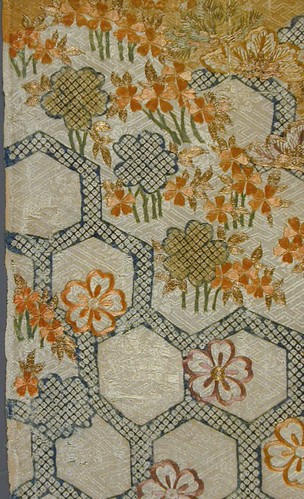
Old embroidery is a different sport with different rules. Vintage and heirloom pieces never get wet-cleaned at home. Aged fibres and unstable old dyes can disintegrate the moment they meet water, and once that's happened, you're not fixing it.
The method is dry, and the goal is preservation, not perfection. Old threads have lost their strength over the decades. Historic dyes were rarely colourfast to start with. Something that looks completely solid can crumble the instant it's soaked.
Get your bits together first: a piece of fine nylon net or mesh — an offcut of old net curtain is ideal. A clean, natural-bristle brush and a shallow bowl.
Vacuum it gently. Lay the mesh over the embroidery and vacuum through it on the lowest suction, so the net catches any loose threads before they vanish up the nozzle. I once watched someone lose a whole section of couched goldwork by skipping this exact step.
Then take the soft brush and lift dust out from between the stitches, working slowly and in one direction.
Musty smell? Set an open bowl of bicarbonate of soda near the piece — never touching it — inside a sealed box for a day or two, and it draws the odour out with no contact at all.
Anything genuinely precious or already damaged goes to the experts, full stop. Professional textile conservators, many accredited through ICON, the Institute of Conservation, do proper restoration. Expect somewhere between £50 and £150 to have a smaller heirloom assessed and treated. For family history, that's cheap insurance.
Curious how these things survive centuries? Read more about embroidery's origins and techniques. And the V&A Museum holds some cracking reference collections if you fancy dating your own piece.
Glasgow Museums holds a quietly excellent textile archive worth a look, too.
How do you clean framed embroidery without removing it?
Dust the glass and frame edges and keep every drop of liquid away from the fabric. That's it — a dry microfibre cloth and a soft brush, nothing wet, ever.
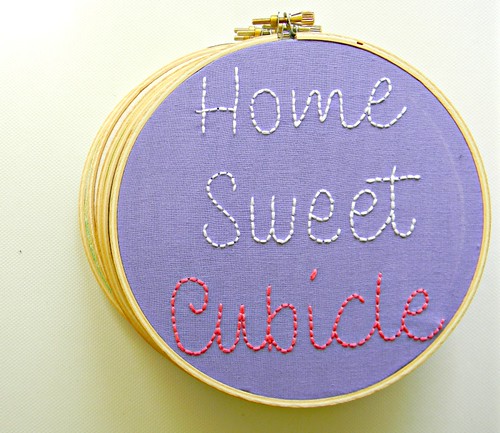
Framed work is a genuine dilemma. Open the frame, and you risk disturbing the mounting and stretching the fabric out of tension; leave it sealed, and dust quietly accumulates behind the glass.
For day-to-day, wipe the glass with the dry microfibre cloth and leave it there. If you absolutely must use glass cleaner, spray it onto the cloth and never onto the glass, and stay well away from any exposed fabric edge. While you're there, dust the frame with the soft brush and check the back for damp patches. That's condensation, and condensation breeds mould inside a sealed frame.
Take it out only if you spot mould, foxing — those little brown age spots — or trapped moisture. If you do open it, work on a clean flat surface, note exactly how the mounting sits before you touch anything, and photograph it so reassembly isn't a nightmare.
Antique piece? Leave the de-framing to a conservator. Distorting the tension to save a fee isn't worth it.
How do you spot-clean embroidery stains (coffee, food, mud)?
To spot-clean a stain, blot from the outside inwards with a damp cotton bud and the tiniest amount of gentle detergent — no rubbing, no soaking, ever. Set up a small bowl of cold water, a capful of Ecover Delicate, a handful of white cotton buds, and a clean white cloth to blot onto. Slow beats hard, always.
Each stain wants a different opening move, though.
Coffee and tea — blot the excess up immediately, dab with a cotton bud dipped in cold water. Let a single drop of detergent lift the rest. Stubborn mark? A diluted white vinegar solution, one part vinegar to four parts cold water, dabbed on gently, can help. Rinse afterwards with a clean, damp bud.
Grease from food — sprinkle a little cornflour over the mark to draw the oil out, leave it for a full hour, brush it away, then treat whatever remains with detergent.
Mud — do nothing until it's bone dry. Dried mud brushes off clean. Wet mud smears deeper into the fibres and makes everything worse.
Old dye-transfer marks. Colour catcher sheets (Dr Beckmann's, around £3.50–£5 at supermarkets) or a soak product like Retro Clean (around £10 online) can help. Only on stable modern cotton that's passed the bleed test.
Cotton bud, outer edge inwards, whatever the stain. That's the constant.
A handful of things quietly destroy pieces, and every one of them is avoidable. Hot water sets stains and bleeds dye. Rubbing frays the thread and drives stains deeper in. Bleach destroys fibres and strips colour clean out. And the tumble dryer? Never.
How do you dry and store embroidered items after cleaning?
Dry embroidered items flat on a clean towel, away from direct heat and sunlight. Once fully dry, store them somewhere cool in acid-free tissue.
Never hang a wet piece. The weight of the water drags the stitches out of shape, and they don't spring back: I promise you that. Reshape it, lay it on a fresh dry towel, and flip it once partway through so both sides breathe.
Twelve to twenty-four hours, depending on how heavy the fabric is. Sturdy cotton garments can hang; anything delicate or heavy dries flat, and no arguments.
I hung a heavy cotton apron once. Dense satin-stitch lettering across the front, a birthday present I'd left far too late, and I wanted it dry by morning. Gravity dragged the whole panel a full centimetre out of shape overnight, and it never recovered. The letters lean to this day.
There's a British problem here, too. Damp winters make air-drying painfully slow, and slow drying is an open door to mildew. Dry indoors in a well-ventilated room. A dehumidifier speeds it along without adding any heat.
Iron on the reverse, over a pressing cloth, cool-to-medium setting. Heat on the front flattens the stitches and leaves a nasty shine, so keep the iron off the face of the work entirely.
For storage, wrap the piece in acid-free tissue — and tuck a silica gel sachet in to catch stray moisture. Never ordinary paper, which yellows fabric over the years.
Acid-free storage is the single best way to stop yellowing before it starts. It prevents the discolouration rather than fighting it later.
Store flat where you can. Roll rather than fold to avoid permanent creases. The National Trust and the Royal School of Needlework both recommend much the same for anything you mean to keep.
What are the biggest mistakes people make when cleaning embroidery?
Nearly every disaster I've seen traces back to the same short list. Hot water shrinks fabric and bleeds thread, so stay at 15–20°C. Scrubbing frays and fuzzes the stitches, so blot and swish instead.
The tumble dryer pairs heat with tumbling, which is just wreckage waiting to happen, which is why you air-dry flat every time. Bleach eats fibres and strips dye, and there's no safe dose of it whatsoever.
The big one, though. The one everybody comes to regret is skipping the colourfastness test. Two minutes with a cotton bud saves you from the precise disaster I walked into with that variegated floss. Don't be me.
For more on threads, DMC's material guidance is worth a read, the Embroiderers Guild publishes free stitch guides, and the Wikipedia overview of embroidery fills in the background.
What else do you need to know about cleaning embroidery?
Can you wash embroidered items at all?
Plenty of them, yes. Modern cotton and linen usually hand-wash fine at 15–20°C.
Silk, wool, metallic and vintage stays dry or goes to a professional.
And when you're unsure, test before committing the whole piece.
Should you wash embroidery after finishing a project?
Often, yes — it clears hoop marks, hand oils and any water-soluble marker lines.
Test for colourfastness first, hand-wash gently in cool water with a delicate detergent, and dry flat. It's also the ideal moment to block the piece into shape before you frame or display it.
How do you clean an embroidered shirt?
Inside out, hand-wash at 15–20°C with a delicate detergent like Ecover or Woolite, hands off the dense stitching. Dry flat, iron on the reverse.
A cotton shirt with only light embroidery will cope in a mesh bag on a cold delicates cycle, though hand-washing is always the safer call.
Can you machine-wash embroidery?
Tough modern cotton only, mesh bag only, cold delicates only. Even then, hand-washing wins. Delicate or old? Never.
How do you fix yellowing on old embroidery?
Depends on the age. Light yellowing on stable cotton can sometimes lift with a specialist treatment like Retro Clean, but historic pieces go to a conservator, and please don't try home bleaching. That damage stays.
Prevention is far easier: acid-free tissue, away from sunlight, and it won't yellow to begin with.
What's a UK-safe liquid detergent for embroidery?
Ecover Delicate at £4–£5.50 and Woolite at around £5 are both easy to find and properly gentle. Non-biological, light fragrance, one capful. Orvus Quilt Soap, about £26 on Amazon, is the quilter's favourite if you want something more specialist.
Clean embroidery properly, and it lasts for generations. Rush it, and you learn the thirty-second lesson the hard way, exactly like I did with that variegated floss.
Cool water, test first, dry flat. That's honestly the whole craft.
By the RIVVIV Editorial Team · Updated July 2026